Share this article
Shree Anna: Celebrating the Year of Millets
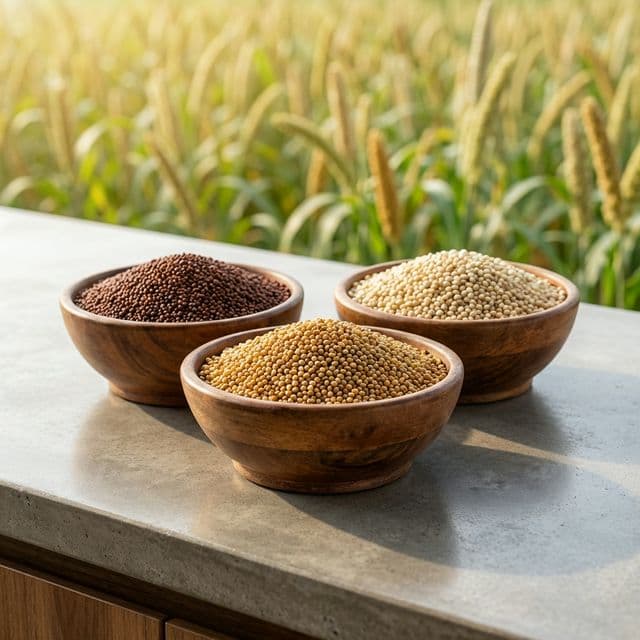
Millets like Ragi, Jowar, Bajra, and Foxtail are not just grains; they are the answer to India's nutrition and climate security. Dubbed as "Shree Anna" by the Government of India, these ancient grains are returning to our plates and fields.
1. Nutritional Powerhouse Millets are gluten-free, rich in fiber, and packed with minerals like iron, calcium, and magnesium. They help in managing diabetes, obesity, and cardiovascular diseases, making them a premium produce in urban markets.
2. Climate Resilient Crops Millets are "miracle grains" for farmers. They require 70% less water than rice and can thrive in poor soil and extreme heat. They don't need expensive chemical fertilizers, reducing the cost of cultivation.
3. Benefits for Small Farmers - Short Crop Cycle: Most millets mature in 70-100 days. - Multi-purpose: Provides food for humans and high-quality fodder for livestock. - Low Risk: Pest-resistant and drought-tolerant.
4. Market Opportunity With the increasing global demand for healthy food, millet-based products like cookies, flakes, and pasta are opening up export opportunities for Indian farmers.
Conclusion Growing millets is good for the soil, good for the farmer's pocket, and good for the health of the nation. It's time to bring back the golden age of millets!
K
Written by KhetiSetu Agri-Expert
Agricultural expert and content creator dedicated to empowering farmers with knowledge and modern techniques.