Share this guide
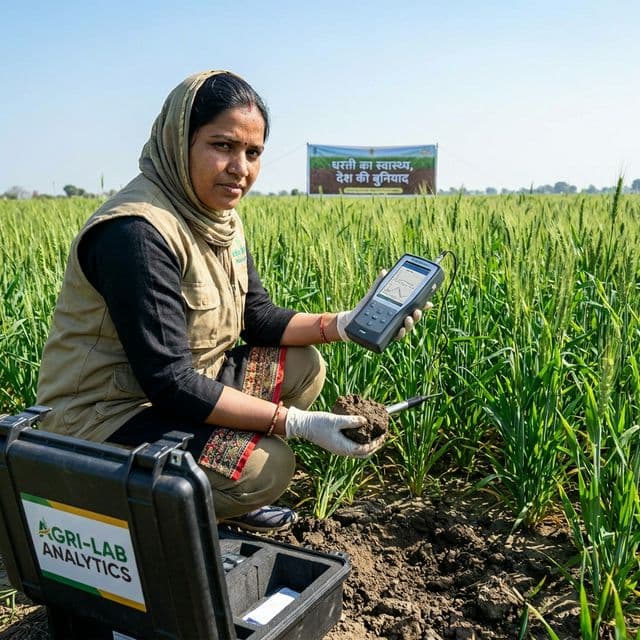
Your Soil is Alive! Protecting the Foundation of Farming
Many farmers view soil as merely a medium to hold plants, but soil is a living organism. Healthy soil is teeming with trillions of bacteria, fungi, and earthworms that work together to feed your crops.
1. Beyond NPK: The Role of Organic Carbon Nitrogen, Phosphorus, and Potassium (NPK) are essential, but without Soil Organic Carbon (SOC), the soil becomes hard and dead. SOC acts like a battery that stores nutrients and water. To increase carbon, avoid burning stubble and incorporate green manure.
2. The Importance of Soil Testing Before applying any fertilizer, get a Soil Health Card. Testing helps you understand what your soil actually lacks. Applying too much urea, for instance, makes the soil acidic and kills beneficial microbes.
3. Tips to Restore Soil Health - Zero Tillage: Minimize plowing to preserve the natural structure of the soil and prevent moisture loss. - Living Roots: Try to keep roots in the soil year-round to feed microbial life. - Composting: Adding organic matter is the fastest way to bring dead soil back to life.
4. Signs of Healthy Soil - It feels crumbly, not hard or dusty. - It has a deep, earthy smell. - You can see earthworms or their burrows. - Water absorbs quickly instead of pooling on top.
Conclusion Treat your soil with respect, and it will feed your family for generations. A healthy soil is the secret to pest-resistant plants and high-quality harvests.
Calculate Exact Fertilizer & Input Costs
Use our free agronomy calculators to estimate acreage seed rates, N-P-K dosages, and season profit projections.
Written by KhetiSetu Agri-Expert
Agricultural expert and content creator dedicated to empowering farmers with ICAR-backed techniques, market insights, and sustainable practices.
Explore All GuidesRelated Agricultural Guides
Continue learning with hand-picked agronomic guides
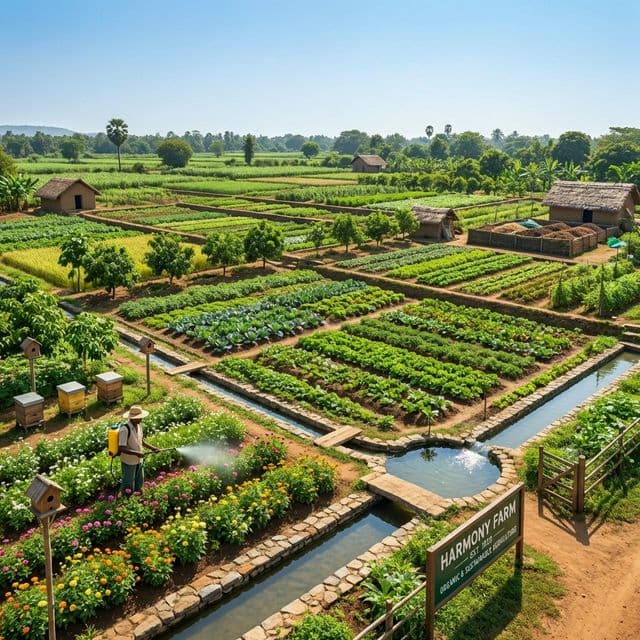
Sustainable Farming: Building a Resilient Future for India
Explore practical sustainable farming techniques like crop rotation, cover cropping, and integrated pest management to boost long-term soil health.
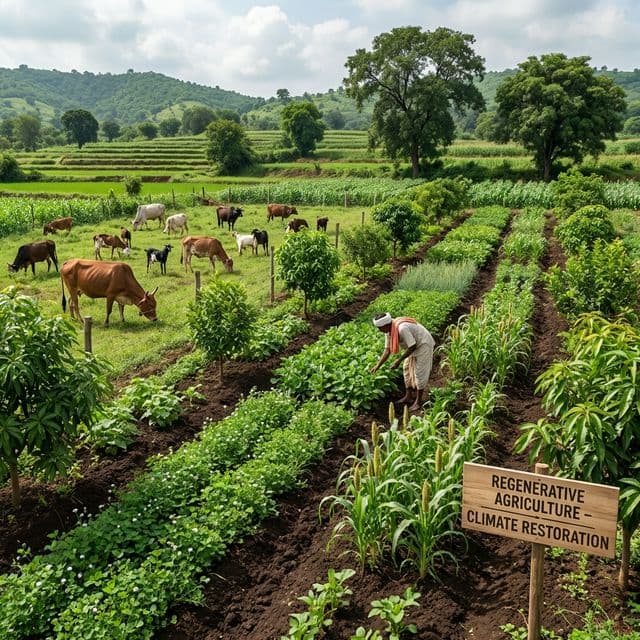
Regenerative Agriculture: Healing the Soil, Feeding the Family
Go beyond sustainable farming with regenerative practices. Focus on carbon sequestration, water retention, and local ecosystem restoration.
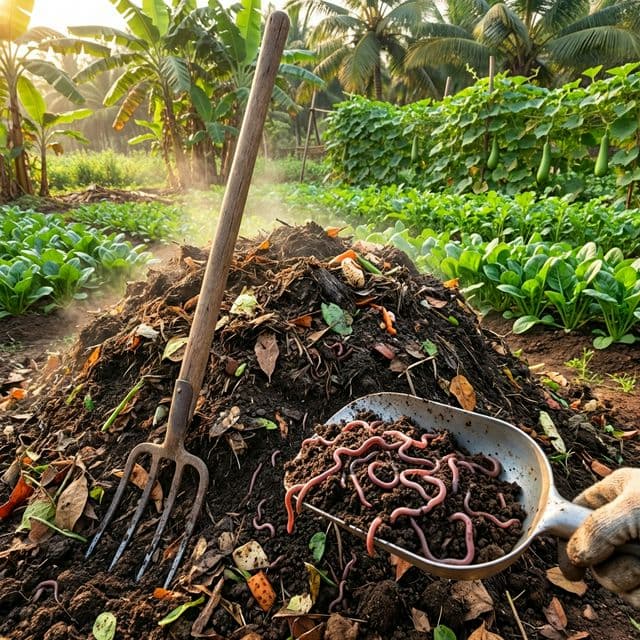
Organic Compost Guide: Turning Waste into Black Gold
Master the art of composting on your farm. Learn about green and brown waste, moisture balance, and aeration to create rich organic fertilizer.