Share this guide
Drop by Drop: The Revolution of Drip Irrigation
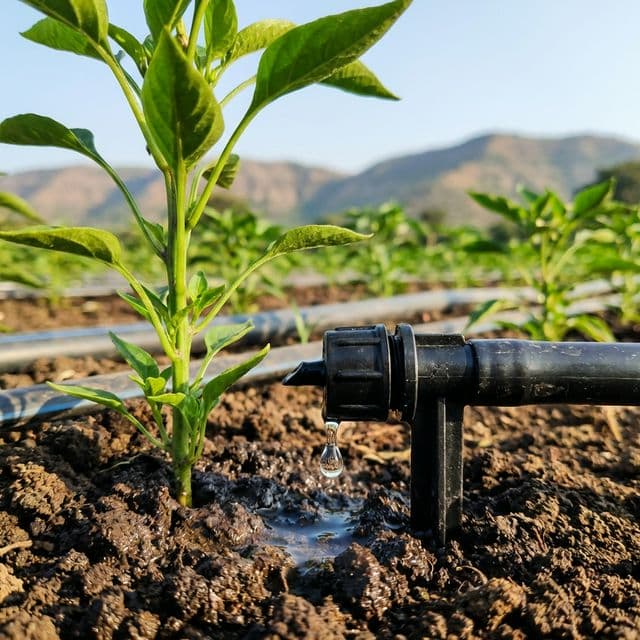
Water is becomes a scarce resource in many parts of India. Drip Irrigation, also known as micro-irrigation, is the most efficient way to deliver water and nutrients directly to the root zone of plants.
1. How It Works Unlike flood irrigation where 50% of water is lost to evaporation or runoff, drip systems use networks of pipes and emitters to provide slow, steady hydration. This keeps the soil moisture levels consistent, avoiding plant stress.
2. Key Benefits - Fertigation: You can mix liquid fertilizers with water (fertigation), ensuring nutrients go straight to the roots, reducing fertilizer waste by 30%. - Weed Control: Since water is only applied near the crop, the space between rows stays dry, preventing weed growth. - Yield Increase: Crops grown with drip systems often show a 20-50% increase in yield compared to traditional methods.
3. Maintenance Tips - Filtration is Key: Clean your filters regularly to prevent emitters from clogging due to sand or algae. - Flush the Lines: Flush the main and lateral lines once every month to remove accumulated sediments.
4. Government Subsidies (PMKSY) Under the Pradhan Mantri Krishi Sinchai Yojana (PMKSY), small and marginal farmers can get up to 80-90% subsidy on the installation costs of drip systems.
Conclusion Drip irrigation is an investment that pays for itself within 1-2 seasons through water savings and higher harvest quality. It's time to make every drop count.
Calculate Exact Fertilizer & Input Costs
Use our free agronomy calculators to estimate acreage seed rates, N-P-K dosages, and season profit projections.
Written by KhetiSetu Agri-Expert
Agricultural expert and content creator dedicated to empowering farmers with ICAR-backed techniques, market insights, and sustainable practices.
Explore All GuidesRelated Agricultural Guides
Continue learning with hand-picked agronomic guides
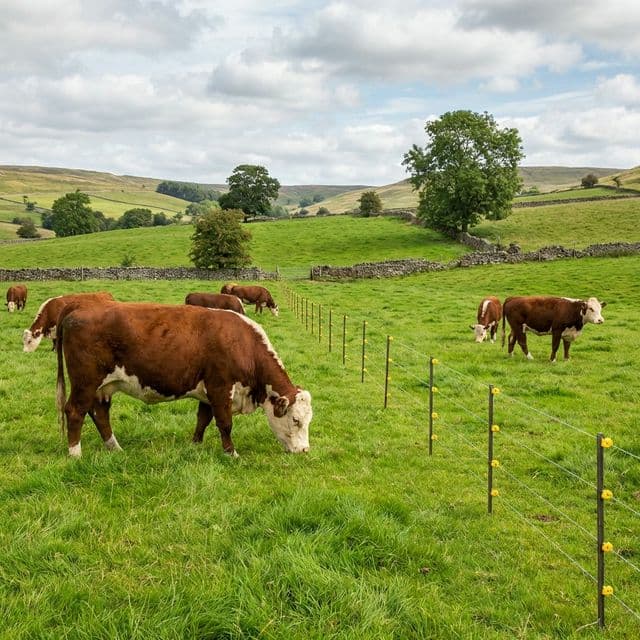
Sustainable Livestock: Rotational Grazing
Discover the benefits of rotational grazing for soil health, pasture quality, and livestock productivity.
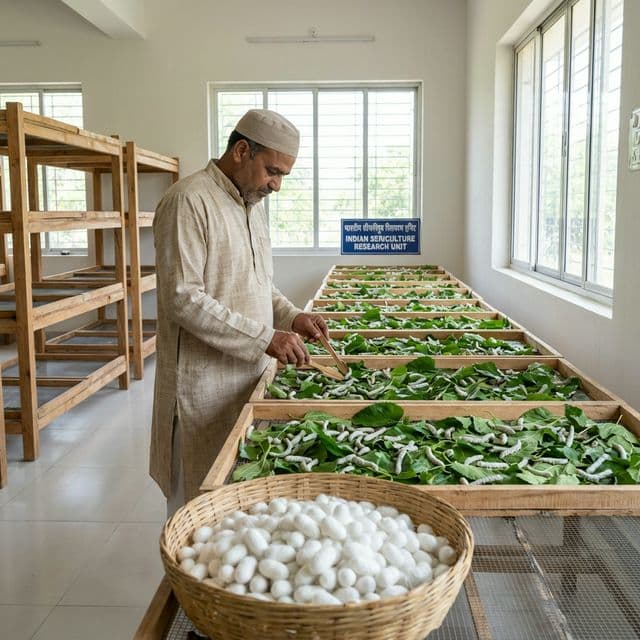
Sericulture: The Art of Silk Production
Learn the step-by-step process of sericulture, from mulberry cultivation to silkworm rearing for high-quality silk production.
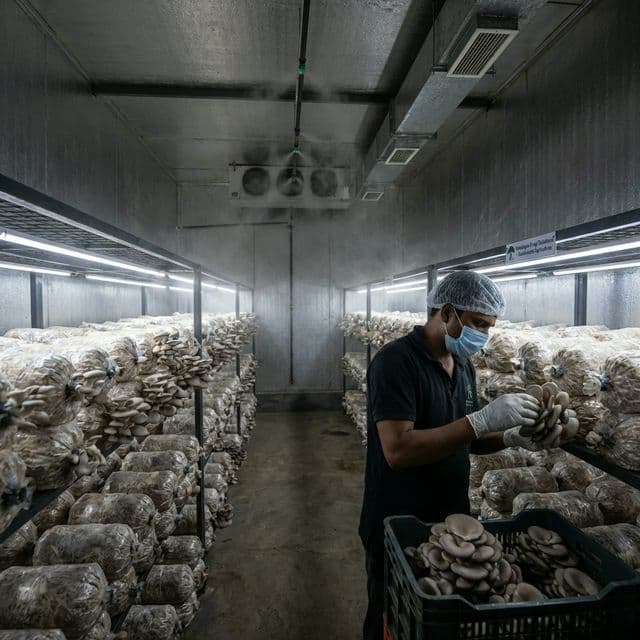
Mushroom Farming: Profit in the Dark
Discover the low-space, low-investment world of mushroom farming and how you can grow exotic varieties for a premium market.