Share this guide
Carbon Farming: A Win-Win for Farmers and the Planet
Climate change is a pressing issue, and Indian farmers are on the front lines. Carbon farming offers a way to contribute to the solution while improving farm productivity. It's all about adopting practices that increase carbon storage in the soil.
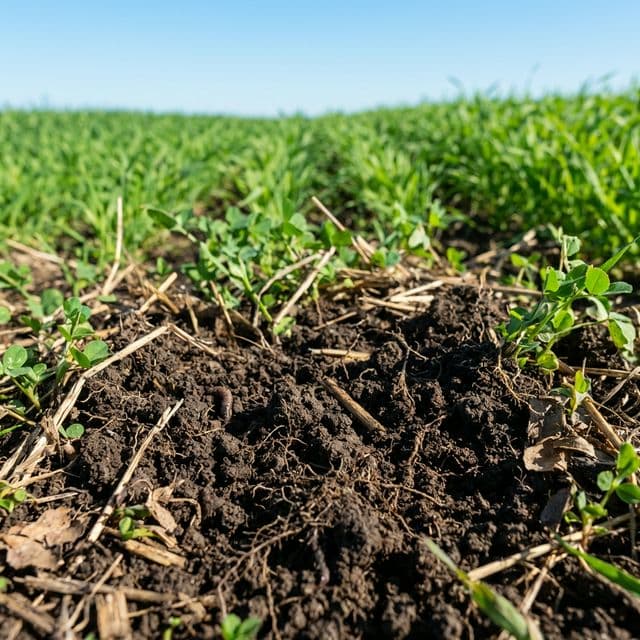
No-Till Farming: Less Disturbance, More Carbon
Traditional plowing releases carbon dioxide into the atmosphere. Switching to no-till farming minimizes soil disturbance, allowing carbon to stay locked in the ground. This also improves soil structure, reduces erosion, and conserves water. Actionable tip: Start with a small portion of your land to test no-till methods and gradually expand as you gain experience. Use cover crops to further enhance soil health and carbon sequestration.
Agroforestry: Trees and Crops Working Together
Integrating trees into your farm, known as agroforestry, is another powerful carbon farming technique. Trees absorb carbon dioxide from the air and store it in their biomass and the soil. Plus, they provide shade, prevent soil erosion, and can offer additional income through fruit or timber. Actionable tip: Select tree species that are well-suited to your local climate and soil conditions. Consider planting fruit trees or fast-growing timber species for added economic benefits.
Conclusion
Carbon farming isn't just about fighting climate change; it's about building healthier, more resilient farms. By adopting practices like no-till farming and agroforestry, Indian farmers can improve their yields, reduce their environmental impact, and contribute to a more sustainable future. Let's work together for a greener tomorrow!
Calculate Exact Fertilizer & Input Costs
Use our free agronomy calculators to estimate acreage seed rates, N-P-K dosages, and season profit projections.
Written by KhetiSetu Agri-Expert
Agricultural expert and content creator dedicated to empowering farmers with ICAR-backed techniques, market insights, and sustainable practices.
Explore All GuidesRelated Agricultural Guides
Continue learning with hand-picked agronomic guides
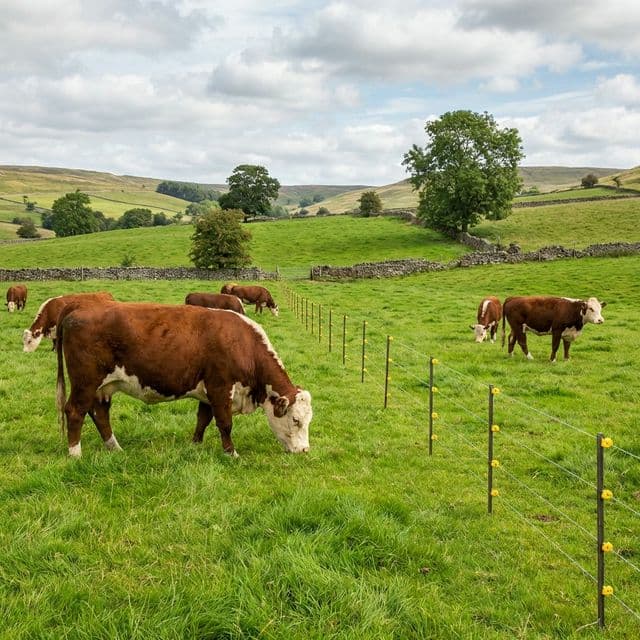
Sustainable Livestock: Rotational Grazing
Discover the benefits of rotational grazing for soil health, pasture quality, and livestock productivity.
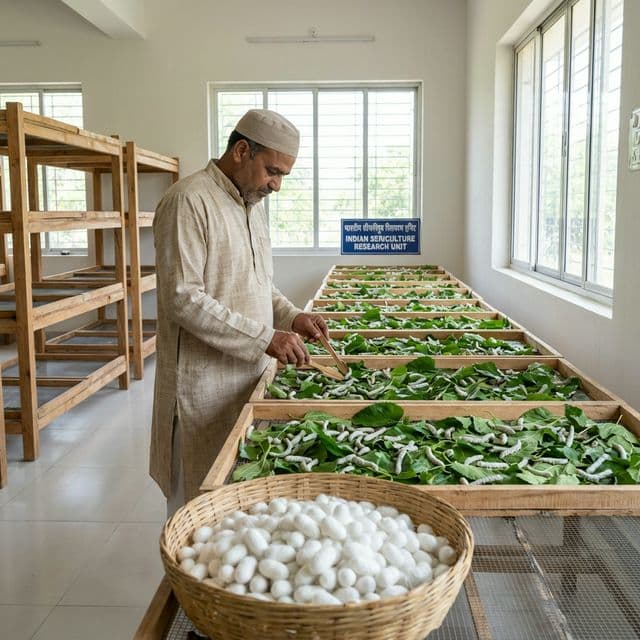
Sericulture: The Art of Silk Production
Learn the step-by-step process of sericulture, from mulberry cultivation to silkworm rearing for high-quality silk production.
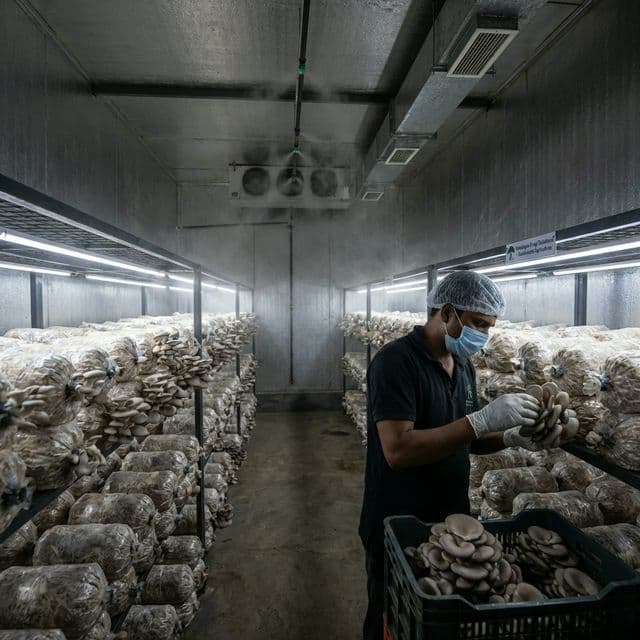
Mushroom Farming: Profit in the Dark
Discover the low-space, low-investment world of mushroom farming and how you can grow exotic varieties for a premium market.